The transition to close care means that care to a greater extent should be based on the individual's needs and be close to people's daily lives. This requires close cooperation between the municipality and the region to create cohesive care and social services. During the event, the transition to the new Social Services Act was also highlighted, which has much in common with the new care, including a greater focus on the individual's needs, health promotion and preventive work, as well as cooperation between different operations.
Administration Director Magnus Schedin welcomed attendees and highlighted the importance of cooperation between different actors to meet the needs of seniors. Ann-Christine Baar from SPF Seniora opened the programme by explaining what close care means for the elderly. To make the concept concrete, participants followed two fictional people, Lennart and Gunilla, and heard how different operations can help them based on their needs and life situation.
Through Lennart's story, participants learned more about the health centre's mission, rehabilitation and what preventive support the municipality can offer to those feeling lonely. In Gunilla's patient journey, it was about home care, safety alarms, aids and municipal primary care. Participants also learned more about how the close care team can provide home care after a hospital stay. In the middle of the presentations, Ulrika from the city's meeting points invited participants to exercise breaks, which gave new energy and a cheerful break in the information session.
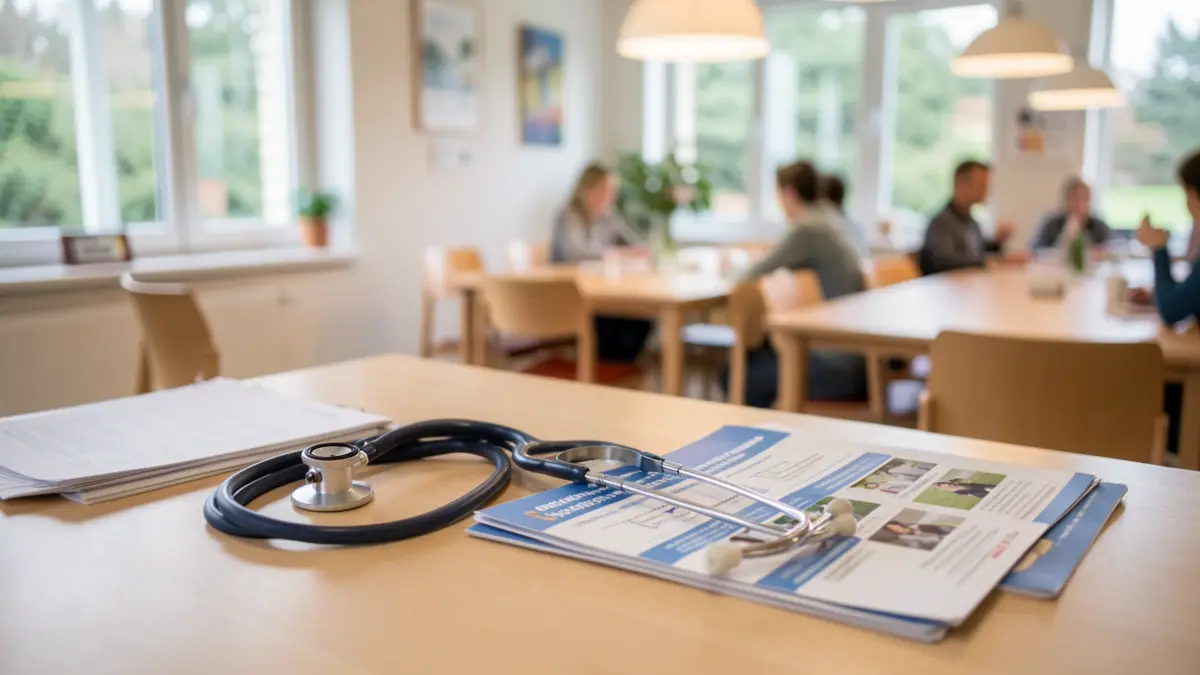
After the presentations, coffee and cake were served and participants had the opportunity to visit an exhibition where municipal and regional operations as well as SPF and PRO were present. Here visitors could ask questions and get more information about, for example, aids, changing health centre, health talks, support for relatives and activities for seniors. One visitor said afterwards that he had learned a lot that he did not know before and planned to book a shingles vaccination.
An important conclusion from the day was that those in need of support should not have to keep track of which operation is responsible for what. By contacting their fixed care contact at the health centre, one can get help to find the right way and be guided to the right operation. About ten of the municipality's many volunteers were present and made an appreciated effort during the afternoon, among other things with serving coffee and welcoming visitors. The cake served was baked by students at Freja Gymnasium.